

The first phase of the AI trade was easy to understand.
Own the obvious bottlenecks.
Own the chips.
Own the power.
Own the data centers.
Own the companies supplying the infrastructure behind the boom.
That was the cleanest version of the story. And, in many cases, it worked.
But once a bottleneck becomes obvious, it also becomes crowded. The market can now see the energy problem. It can see the compute problem. It can see the hyperscalers capex boom. Those opportunities may still matter, but they are no longer hidden.
The more interesting question is what comes next.
If intelligence is becoming cheaper, then the real opportunity may not be in “AI” itself. It may be in the scarce complements around it: the rights, permissions, rails, licenses, infrastructure, and regulated tollbooths that allow abundance to move through the real world.
That is where the investment conversation becomes much more interesting.
Because some of these bottlenecks are not just thematic. They are also becoming event-driven.
One of them, in our view, now sits at the intersection of AI, copyright, global distribution, premium intellectual property, and a live corporate catalyst that increasingly resembles a merger-arbitrage-style setup... not in the clean, risk-free sense, but in the sense that the market is being forced to handicap a real transaction, a real premium, and a real path to value recognition.
That specific recommendation remains inside April’s issue of our Alpha Tier. But the framework behind it starts here.
If AI makes intelligence cheaper, where does scarcity move?
And who gets paid when it does?
Here is “Where Scarcity Moves.”

The first thing to say is that some of the new scarcity is already obvious.
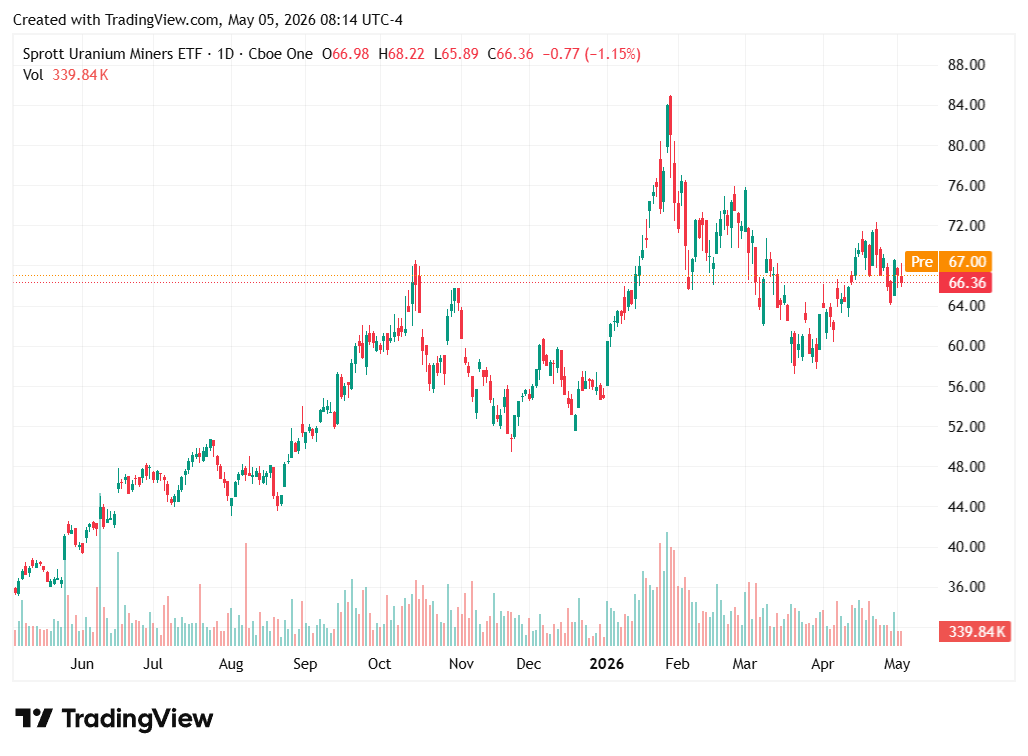
Energy is the clearest example. We have been writing about that for quite some time, and we have also been positioned for it. In VMF’s Strategic Asset Allocation, we added Uranium Miners ( URNM 0.00%↑ back in August 2024, long before the market fully embraced the idea that this AI buildout would require an enormous amount of electricity and a much broader conversation around baseload power.
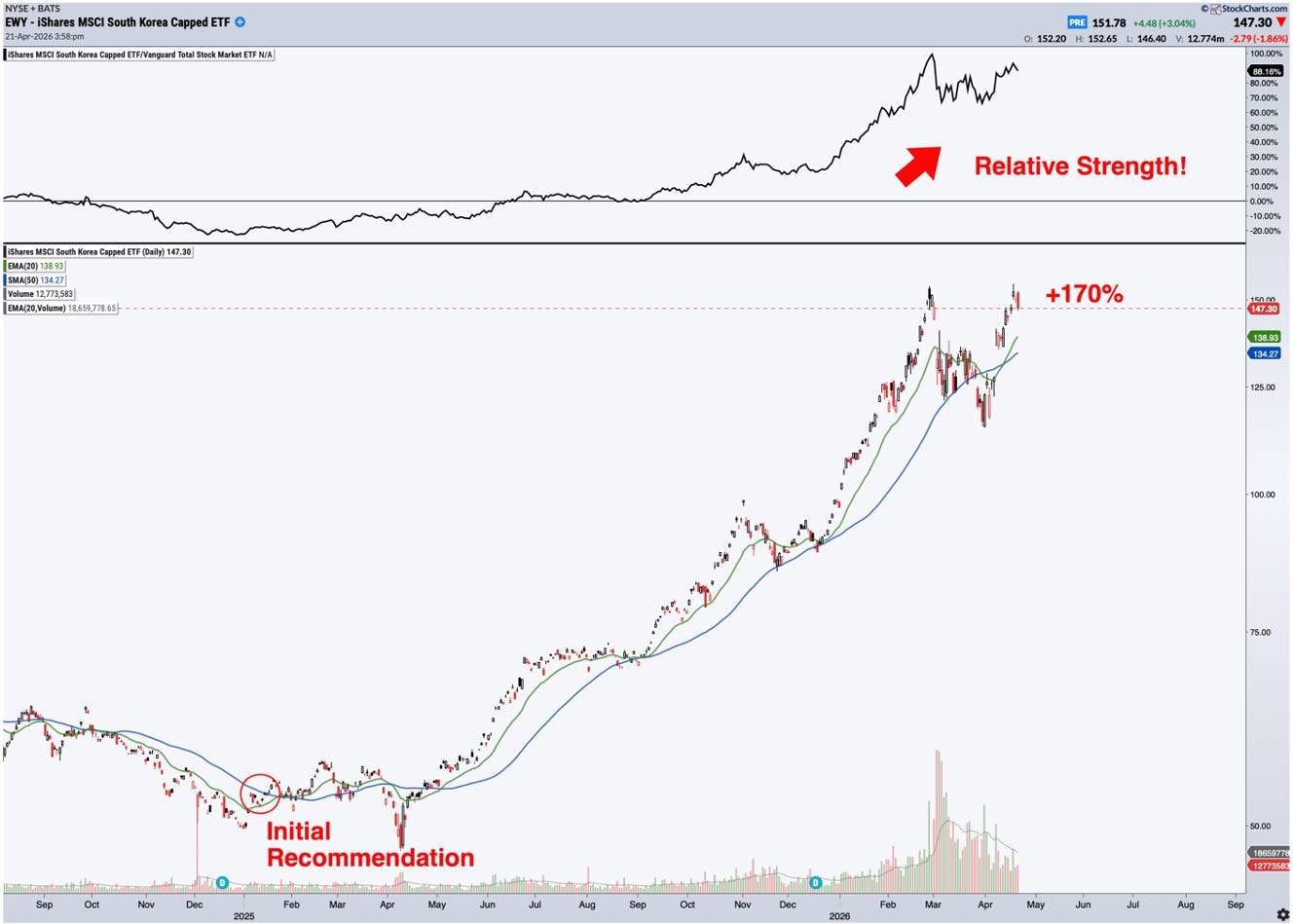
The same logic extends to parts of the hardware stack tied directly to the hyperscalers1 capex boom. Our geographic tilt toward South Korea EWY EWI 0.00%↑ is a good illustration.
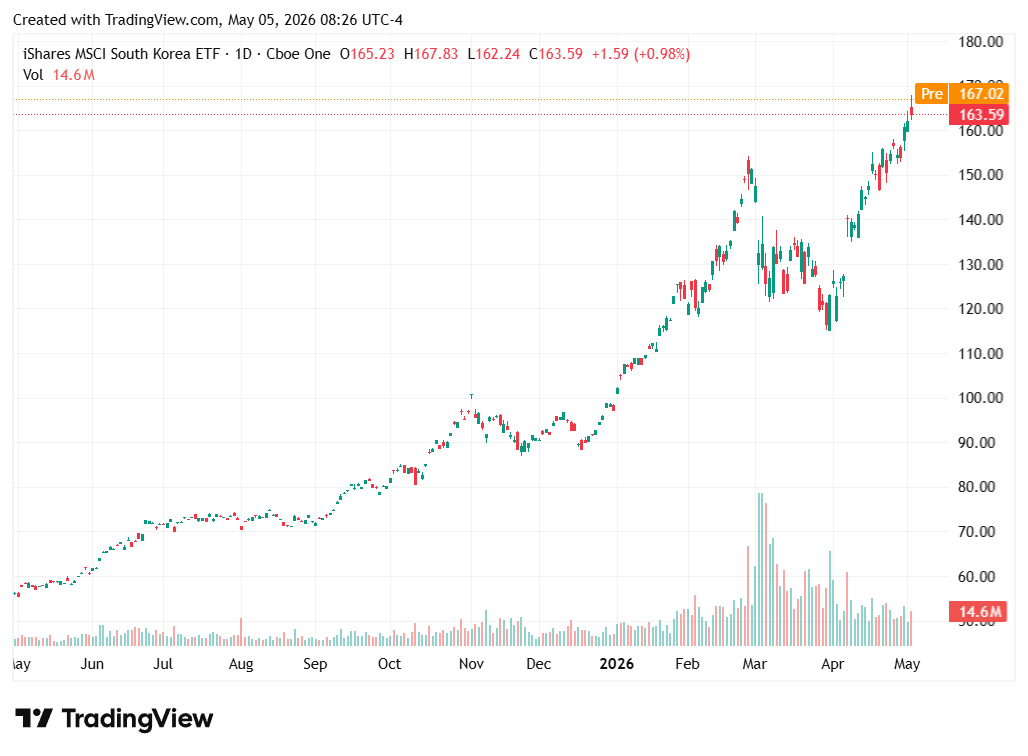
Samsung and, even more so, SK Hynix sit right in the path of this surge in demand for advanced memory and AI-related infrastructure. Some of the new scarcity has already been telegraphed rather loudly by the market itself.
These were much more interesting trades when we first identified them than they are now...
That does not make them unimportant. It simply means they are no longer especially mysterious.
The market can now see the energy bottleneck.
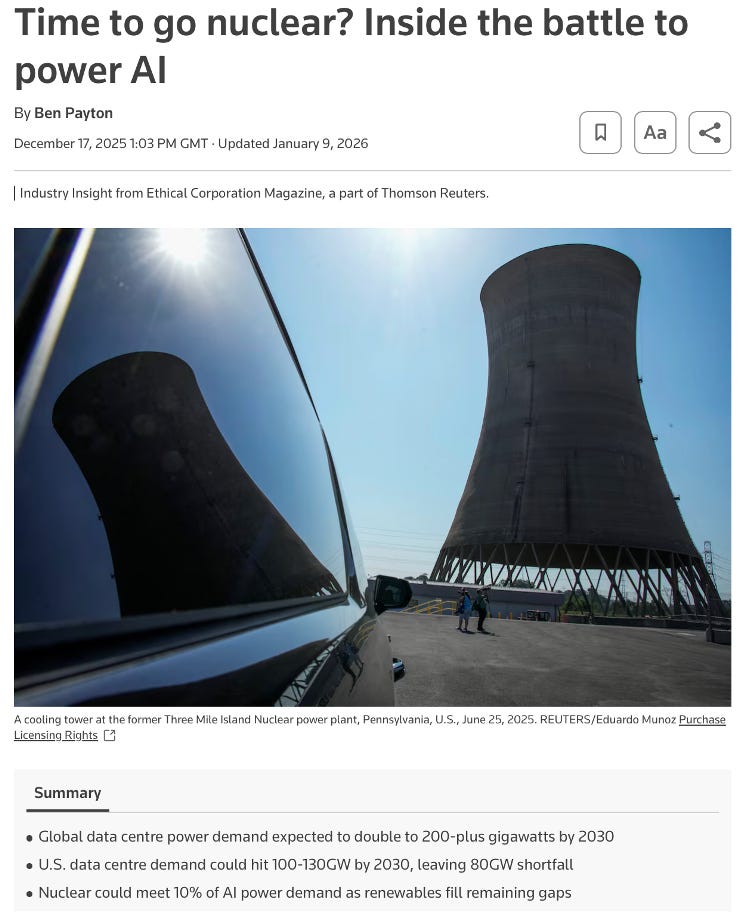
It can see the hardware bottleneck.
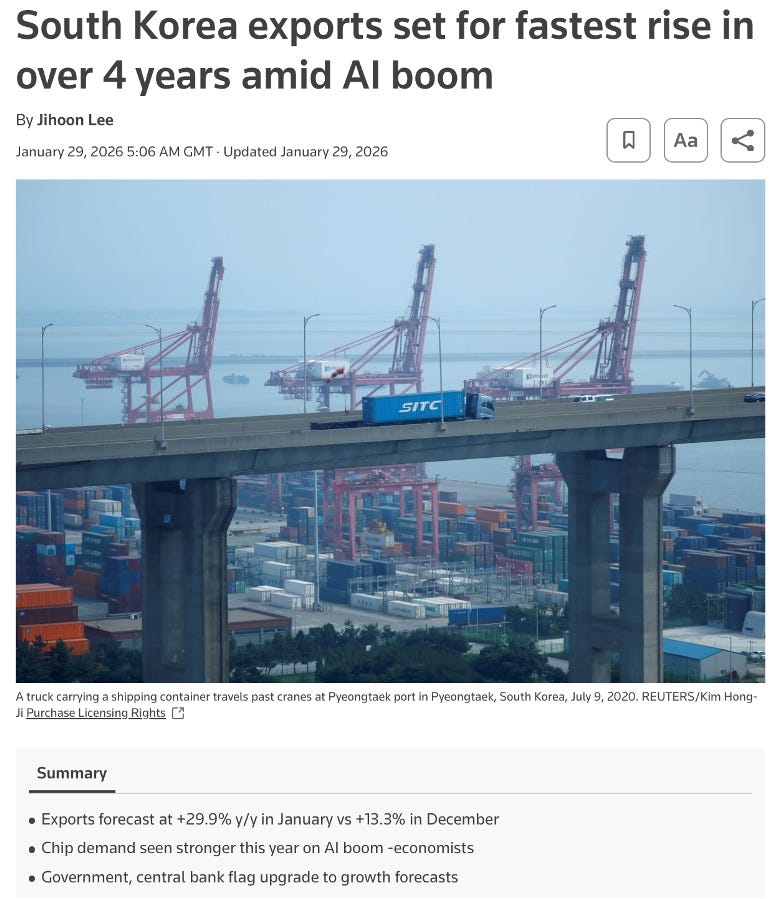
It can see the capex boom.
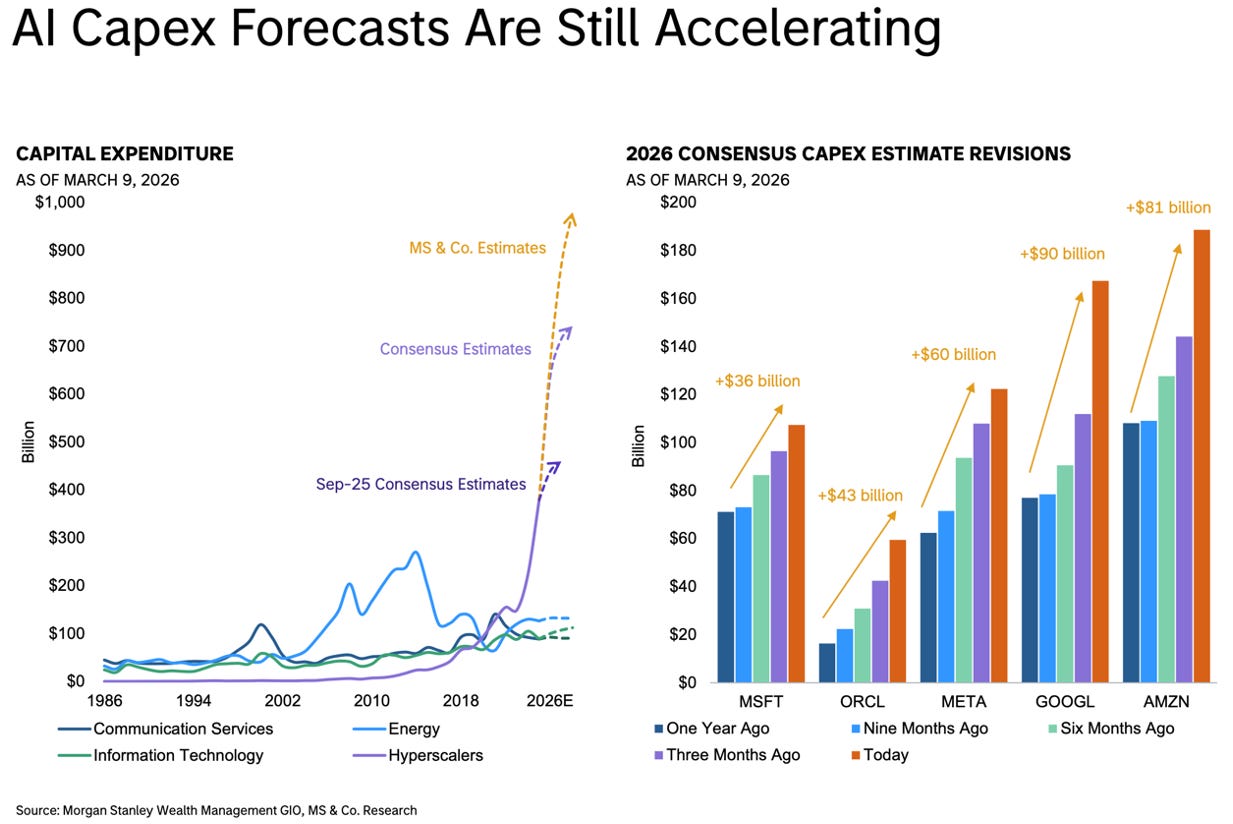
And when scarcity becomes obvious, it also becomes more crowded.
Have you check Our latest leaderboard? It tells the story better than any intro, showing our total returns since publication, including multiple triple-digit winners and a consistent record of beating the market while managing risk.
We have already been paid handsomely in Tier One for spotting some of these bottlenecks early: our uranium miners position through URNM is now up more than 70%, and our geographic tilt toward South Korea through EWY is up more than 170%... returns well in excess of what the main equity indexes have delivered over the same stretch.
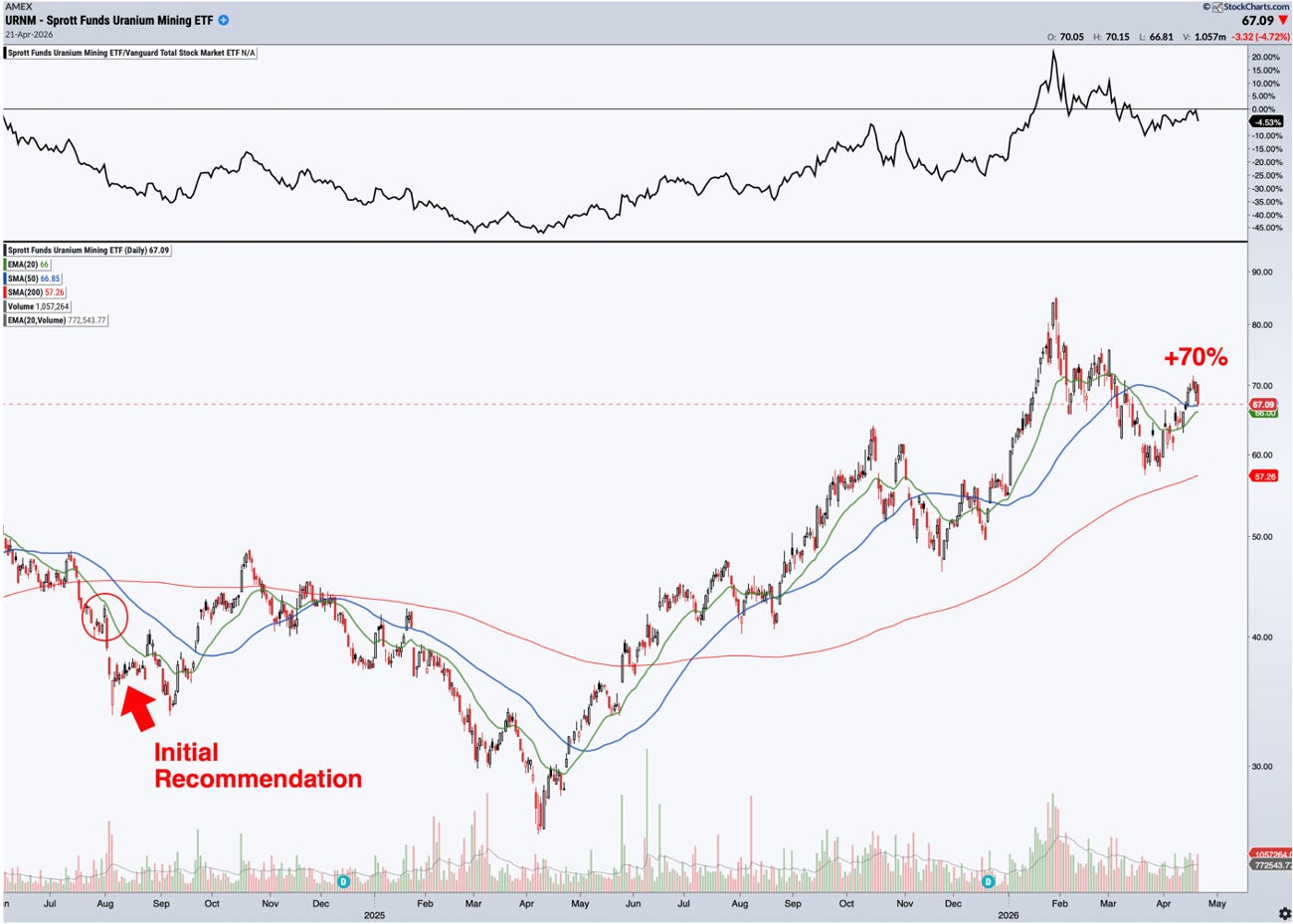
That is exactly why these trades matter as evidence, but not necessarily as the most interesting hunting ground from here.
They were far less obvious when we first recommended them. Today, much of that scarcity is already visible to everyone. Which is why we believe the more interesting work now lies elsewhere... in the pockets of scarcity the market still does not fully appreciate.
One of those pockets sits in the uncomfortable gap between visibility and uncertainty.
You see, the hardware layer offers unusually strong visibility. If one believes that AI adoption is real, that the hyperscalers are serious, and that the capex cycle still has several years to run, then the need for power, memory, networking, and datacenter infrastructure is not especially hard to imagine.
The demand path may wobble, but the direction of travel is clear.
The application layer is different.
There, the upside may ultimately prove much larger, but the visibility is far worse.
Which applications will win? Which interfaces will endure? Which products will become indispensable? Which ones are merely the first draft of a market structure that will eventually belong to someone else?
That is where the old saying becomes useful:
“pioneers get the arrows and settlers get the gold.”
Recent history is full of reminders.
Netscape mattered enormously, but Microsoft captured much of the value that followed. MySpace arrived early, but Facebook built the empire. The same pattern can repeat in every great technological wave. The first product to capture attention is not always the one that ends up controlling the economics.
That is why we do have application-layer exposure across our Model Portfolios, and why some of those bets may still prove extremely rewarding. But we also want to be honest about the risks. The application layer is where imagination runs wild, competition is brutal, and permanence is hardest to underwrite.
However, before turning to the positioning of our own Alpha Tier Model Portfolio, we think it is important to pause on a different class of scarcity altogether.
A less glamorous one, perhaps.
But a less risky one too.
History shows that regulation tends to move far more slowly than technological innovation...
That asymmetry matters. Because when the cost of intelligence falls rapidly, but the right to operate in a market remains protected by licenses, approvals, compliance burdens, legal permissions, or other hard barriers to entry, something unusual can happen. Productivity improves. Costs can fall. Output can rise. And yet the competitive moat does not collapse with it. In some cases, it may even strengthen. The business gets the benefit of cheaper intelligence without suffering the full margin compression that usually comes when technology becomes broadly available.
That, in our view, is a very important sweet spot.
And it becomes even more interesting in a Fourth Turning context. If worker displacement becomes politically salient, if inequality worsens, if trust continues to erode, and if governments feel compelled to intervene more aggressively, then some regulated industries may become even more protected, not less.
The state may become more involved. Licensing may matter more. Compliance may matter more. Institutional trust may matter more.
In that kind of environment, businesses already defended by hard regulatory hurdles and uniquely positioned to benefit from AI-driven productivity gains can become much more valuable than the market currently assumes.
That is our claim.
And more than that, it is already where we have been leaning.
Across our Model Portfolios, we have been building exposure not only to the obvious scarcity tied to power and hardware, and not only to the more speculative upside tied to the application layer, but also to businesses whose economics may improve precisely because intelligence is getting cheaper while permission remains scarce.
This month, we are taking that logic one step further.
We are adding two new positions to Alpha Tier that we believe sit right in that sweet spot: businesses positioned to benefit from the abundance wave, but protected by the kind of regulatory and structural barriers that can keep competition at bay even as AI lowers the cost of doing the work.
Let’s now go deeper on what these businesses are, and why we believe they may be among the most attractive scarcity plays in this entire disruption cycle.
Catch up on Part 1:

Further Reading:


Hyperscalers are the very large cloud and digital-infrastructure companies that operate data-center networks at enormous scale and can expand computing capacity faster, cheaper, and more efficiently than almost anyone else. The term usually refers to firms such as Amazon (AWS), Microsoft (Azure), Alphabet/Google (Google Cloud), and Meta, and sometimes also includes other giants building massive AI and cloud infrastructure. What makes them “hyper” is not just size, but economics. They buy chips, servers, networking equipment, energy, and real estate in such volumes that they can spread fixed costs across huge customer bases and internal workloads. That gives them extraordinary leverage in cloud computing, AI model training, storage, and digital services.