

The following analysis is based on the weekly update released on March 21, 2026.
What a difference a month makes.
Not long ago, investors were still debating whether the next move would be a soft-landing melt-up or a healthy consolidation.
Now the market is gripped by something far uglier: a vicious risk-off wave triggered by the latest Trumpquake... the war with Iran.
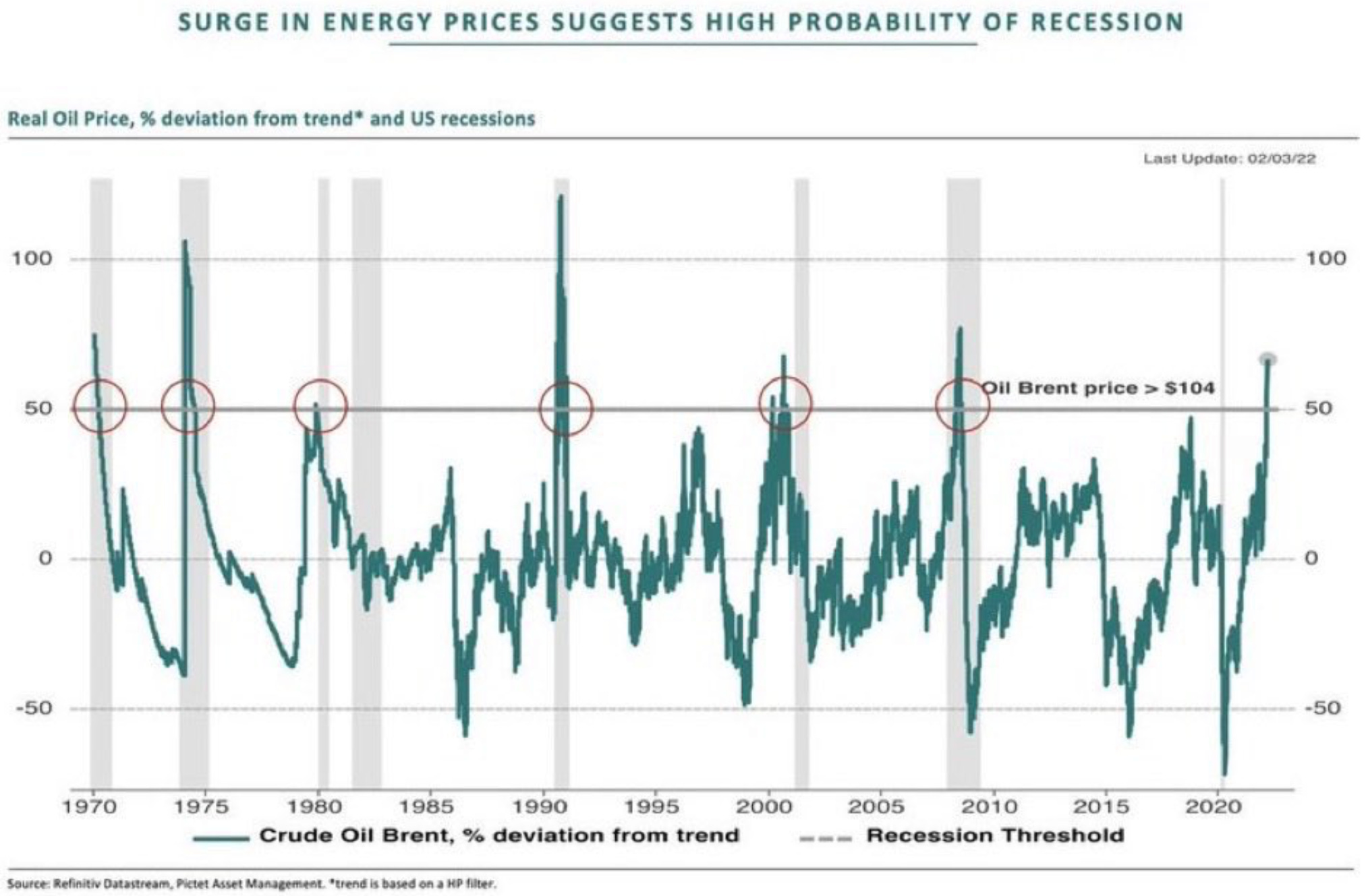
Over the past week, the conflict has escalated materially, energy infrastructure has taken fresh hits, additional U.S. forces are heading into the region, and the market has moved from assuming a short, containable episode to pricing a more protracted confrontation.
Oil, of course, is reacting accordingly.
But the important point is that this is not just a front-month panic.
The message from both Brent and WTI is that the market is increasingly pricing a disruption that will not be solved in a matter of days.
Brent settled this week at $112.19, its highest since July 2022, while WTI’s active contract closed near $98.23... traders, strategists, and even the IMF are all now framing the duration of the conflict as the key variable for growth, inflation, and monetary policy.
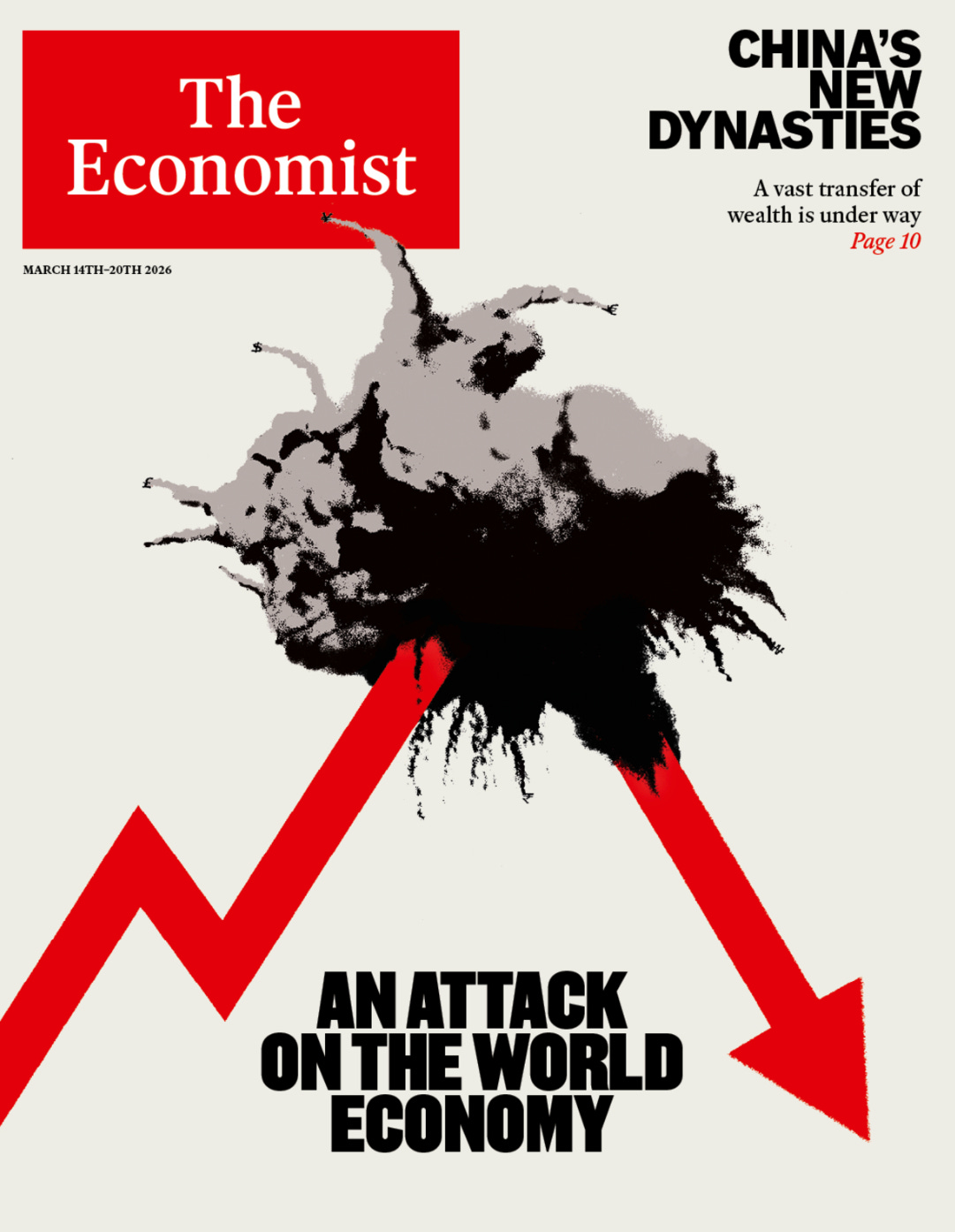
“No plan of operations extends with any certainty beyond the first contact with the main hostile force.”
Helmuth von Moltke the Elder
Pictet’s own framework is consistent with that interpretation: the initial pattern is an inflation shock followed by broad portfolio de-risking, while its economists note that a permanent 30% oil shock would lift inflation and drag GDP.
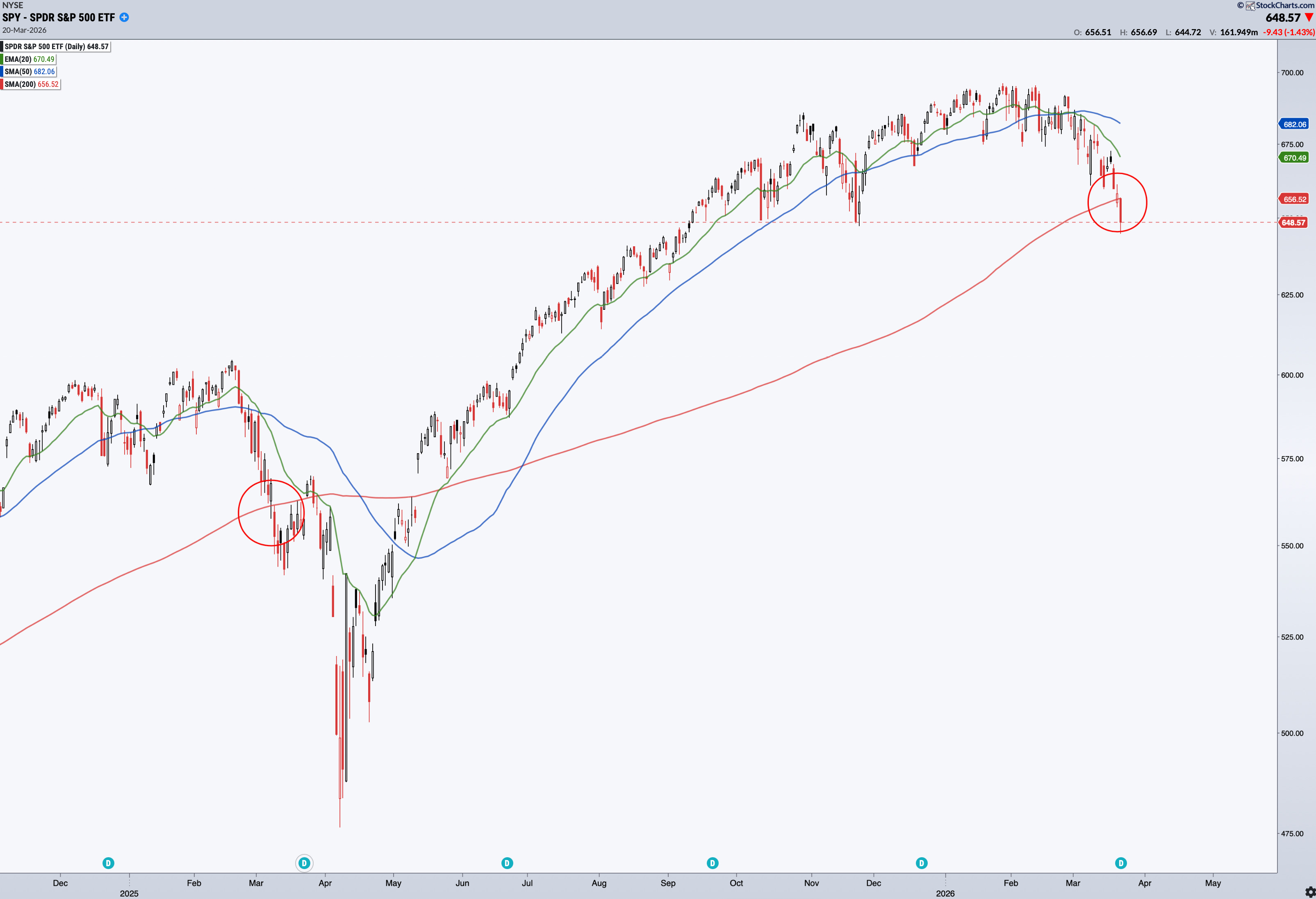
And that is precisely why equity markets are responding so negatively.
Higher oil prices are now large enough to revive a very old fear: that what starts as an energy shock quickly mutates into a growth shock.
JPMorgan has warned that stock/oil correlations typically turn much more negative after roughly a 30% oil spike, and that four of the last five major oil shocks since the 1970s were followed by recession.
But here is where we begin to diverge from the consensus.
As you know, we have been arguing that the bar is now low for positive surprises... in growth, in liquidity, and yes, even in inflation.
These weekly notes are not the place for a full exposition, we will save that for the monthly issues.
But consider the setup.
Gasoline prices have surged by nearly $1 per gallon since the war began. 55% of Americans already say rising fuel costs are hurting their household finances.
Trump’s approval on the cost of living has fallen to 29%, and only 35% approve of his handling of the economy. Meanwhile, the administration is already reaching for relief valves: it has lent 45.2 million barrels from the SPR and is discussing more measures to cap the damage.
The market is also flashing stress: the S&P 500 has now logged a fourth straight weekly decline, hit a six month low, and slipped below its 200-day moving average for the first time since the Liberation Day debacle.
So, here is our working hypothesis: we believe we are moving toward another T.A.C.O. moment... another moment when Trump, faced with rising gasoline prices, rising yields, a stumbling stock market, and a politically costly war, tries to frame the mission as accomplished and pivot toward de-escalation.
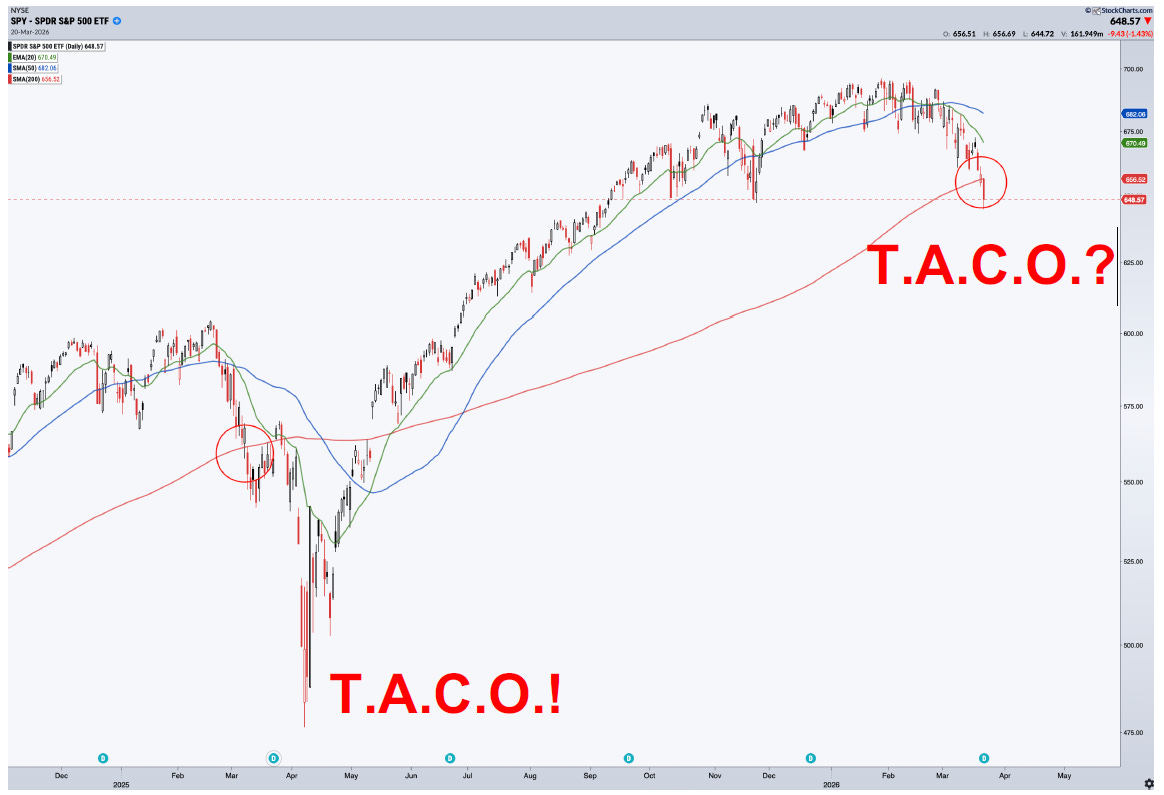
Reuters reports that some White House aides are already urging him to find an “off-ramp,” and that declaring victory and walking away is one of the live options now on the table.
That is a contrarian call, because sentiment is already deeply pessimistic and the market is increasingly leaning the other way. We may be early... but we will be here to stand accountable for the claim.
“Circumstances rule men... men do not rule circumstances.”
Herodotus
Good investing!
Vasco Marques de Freitas, CFA, CMT
Disclaimer
The information provided herein is for general informational purposes only and does not constitute financial advice or a recommendation to buy, sell, or hold any investment. It is not tailored to any specific individual or investor profile. All investments involve risks, and past performance is not indicative of future results. Before making any investment decisions, it is important to consider your own financial situation and risk tolerance. We do not guarantee the accuracy, completeness, or reliability of any information provided, and we disclaim any liability for any loss or damage arising from reliance on the information herein. Readers are advised to consult with an authorized financial intermediary before making any investment decisions.